What if the ache in your calves and the blue ropes on your legs could be treated during a lunch break, with a return to normal walking the same day? That is the reality at a modern vein removal clinic. The old playbook of hospital stays and large incisions has largely been replaced by precise image guidance, tiny access points, and treatments designed to close or remove damaged veins while preserving healthy circulation.
The shift from surgery to office-based vein care
Two decades ago, surgical vein stripping was the default. It worked, but recovery often meant weeks of soreness, bruising, and time off work. Today, most patients walk into a vein clinic, have a minimally invasive procedure, and walk out an hour later. The change came from three advances that matured at the same time. Ultrasound imaging made it possible to see the diseased vein segments in real time. Tumescent anesthesia, a diluted local anesthetic, allowed comfortable treatment without general anesthesia. Finally, thermal and chemical closure techniques gave specialists reliable ways to seal a failing vein from the inside.
You will see different names on clinic doors, from vein treatment clinic to vascular clinic or vein and vascular specialists, but the common theme is this: precise diagnosis plus targeted closure or removal of the veins that are causing the problem. The best centers use ultrasound-guided techniques and track outcomes, not just appearance.
First, understand what is actually wrong
Varicose veins are a symptom of venous reflux disease, not the whole disease. Inside your legs, one-way valves should push blood upward back to the heart. When those valves fail in a saphenous vein, gravity wins and pressure builds below. The result can be bulging veins, heaviness, swelling, itching, skin discoloration around the ankle, and in advanced cases, ulcers.
A credible vein health center starts with a duplex ultrasound performed with you standing. It maps which veins are leaking, how long reflux lasts, and whether there are clots. That map drives the plan. If a great saphenous vein is incompetent, zapping only the spider veins on the surface is cosmetic at best and short-lived. If no axial reflux exists, then localized treatments like sclerotherapy or microphlebectomy make sense.
I often use the building analogy. If the main column is failing, repainting the walls does not fix cracks. In vein care, the “column” is often the great or small saphenous vein. Closing that failing pipeline depressurizes the branches that feed varicosities.
What works now: definitive treatments with strong evidence
Endovenous thermal ablation changed the field. Two main types exist, both delivered through a small catheter guided by ultrasound.
Radiofrequency ablation, often shortened to RFA, heats the vein wall using controlled radiofrequency energy. The catheter treats vein segments in short cycles. Typical procedure time is 20 to 45 minutes. The treated vein collapses and seals, and the body gradually resorbs it. Most patients walk immediately and resume low-impact activity the next day.
Endovenous laser ablation uses laser energy at wavelengths commonly 1,470 to 1,940 nm. The fiber pulls back at a steady rate while tumescent anesthesia protects surrounding tissue and compresses the vein around the fiber. Modern wavelengths and fibers reduced bruising compared to early-generation systems.
Both RFA and laser show closure rates typically in the 90 to 98 percent range at one year in published series, with durable results at five years for most patients. They outperform older surgery in comfort and recovery, and when done in a vein surgery clinic or vein treatment center with experienced hands, complication rates are low. Expect tenderness along the track for a week, possibly a “cord” sensation that softens over several weeks, and occasional numb patches that usually resolve.
When heat is not ideal: non-thermal options that matter
Not every saphenous vein is a candidate for heat. If a vein runs close to the skin, thermal treatment risks skin burns. Some patients cannot receive tumescent anesthesia comfortably due to widespread pain syndromes. Others reject compression stockings after the procedure. This is where non-thermal, non-tumescent techniques help.
Cyanoacrylate closure uses a medical adhesive injected through a catheter to seal the vein without heat. There is no tumescent anesthesia, and most protocols do not require compression afterward. For the right anatomy, it’s efficient, and you walk out without the post-procedure numbness that sometimes follows thermal ablation. Be aware of a small risk of phlebitis-like inflammation and rare allergic reactions.
Mechanochemical ablation pairs a rotating wire with a sclerosant drug. The spinning tip injures the lining while the medication finishes the closure. It needs no heat and minimal anesthesia. It shines in tortuous veins that are harder to treat with straight catheters. Durability is slightly more variable across studies, so I consider the vein’s size and your goals carefully before recommending it.
Ultrasound-guided foam sclerotherapy is the most flexible tool of all. A physician foams a sclerosant, injects it into targeted segments while watching with ultrasound, and the foam displaces blood as it contacts the vein wall. Foam plays two roles: it can be a primary therapy for smaller refluxing veins or a finishing tool after a main saphenous ablation to close side branches. Results depend heavily on technique and dosing. It often needs staged sessions, but downtime is minimal.
The workhorse for bulging surface veins: ambulatory microphlebectomy
Even after you close a bad saphenous vein, you may still see ropes under the skin. Those are branches that became professional vein clinic in Clifton varicose over time. Ambulatory microphlebectomy removes them through 2 to 3 mm micro-incisions with tiny hooks. There is no stitching in most cases, only steri-strips. Bruising fades over a couple of weeks, and the contour improves quickly. It is purely mechanical removal, not stripping. In experienced hands, it avoids recurrence in those branches better than sclerotherapy alone when veins are large.
Many vein procedure clinics combine microphlebectomy with ablation in one visit. That reduces the number of trips and consolidates recovery. The trade-off is a bit more bruising on that day. Patients who want minimal marks can stage treatments, starting with the refluxing trunk and addressing branches later.
What about spider veins and reticular veins?
Spider veins are surface networks just under the skin. They carry little flow and rarely cause deep ache, but they can itch or burn. The mainstay for spider veins is liquid sclerotherapy, using a tiny needle and small volumes of sclerosant. A spider vein clinic may also use surface lasers for stubborn facial or ankle clusters, but on the legs, injections usually give better value per session.
Expect 2 to 4 sessions separated by four to six weeks for widespread clusters. You will likely see bruising or peppery discoloration initially. It fades, though some areas need touch-up. If you also have symptoms like heaviness or ankle swelling, ask your vein therapy specialists to check for saphenous reflux before chasing the surface. Treating underlying reflux first boosts cosmetic results and durability.
Compression stockings still matter, but they are not a cure
A vascular treatment center will still prescribe compression. Graduated compression reduces venous pressure and swelling. It helps during travel, pregnancy, long standing at work, and in the immediate recovery after procedures when indicated. It does not fix broken valves. So use compression as a tool, not a solution in place of treatment. For some patients with mild symptoms or limited access to care, a dedicated period of compression, calf-strengthening, and weight management can buy time and reduce discomfort.
How to judge a vein care clinic beyond the lobby
What separates a vein medicine clinic that delivers durable results from one that provides only surface fixes? Start with how they evaluate you. A vein ultrasound performed by a credentialed sonographer and interpreted by the treating physician is foundational. The study should be done with you standing, or at least with provocation maneuvers that show reflux.
Ask who performs procedures. Many excellent practices are led by interventional radiologists, vascular surgeons, or interventional cardiologists who chose to focus on venous disease. Some internists and dermatologists also build strong vein therapy clinics when they pursue advanced training. What matters is the experience, volume, and complication tracking, not the original specialty title.
Look for a range of tools. A vein laser clinic that only offers laser will steer you to laser. The same is true for a center that only injects sclerosant. A comprehensive vein and vascular clinic can explain why they recommend RFA over adhesive or vice versa. Good clinicians tailor therapy to anatomy and goals, not to the device they own.
Insurance navigation is another tell. A seasoned vein treatment office understands medical necessity criteria, documents symptoms, trial of compression when required, and ultrasound findings to support coverage for clearly symptomatic disease. Purely cosmetic spider vein work is usually cash-pay. Clear communication up front avoids surprises.
The day of treatment: what it feels like in practice
Most endovenous ablations run under an hour. You check in at the vein procedure center, change into shorts, and an ultrasound map confirms the plan. The skin is cleansed. A needle accesses the target vein under ultrasound guidance. Through this, a small catheter advances along the course. For thermal treatments, the team infuses tumescent anesthesia along the vein with a series of small pinches. The leg feels pressure and some fullness, then numbs. The energy application itself is quiet and brief. You might feel warmth or vibration, not pain.
For cyanoacrylate closure, there is no tumescent. You will feel mild pressure as the catheter is positioned. The physician delivers adhesive, compresses the vein with an ultrasound probe or fingers for short intervals, and gradually withdraws. Mechanochemical ablation brings a humming vibration as the wire spins, usually tolerated with minimal anesthesia.
Microphlebectomy feels like local dental work on the leg, one tiny numbing pinch at a time. Small hooks tease out vein loops, and you hear clicks as sterile instruments tap against the tray. Afterward, a snug wrap or compression stocking goes on. Walking is encouraged. That first shower usually waits until the next day.
Recovery, recurrence, and maintenance: the honest view
Venous disease is chronic and genetically influenced. The right procedure closes the targeted vein, but it cannot change your inherited valve quality or job that demands 12 hours on your feet. That is why your surgeon talks about “disease management,” not cure. Done well, treatment relieves symptoms, improves appearance, and prevents progression to skin damage in at-risk patients.
Typical recovery after thermal ablation includes tightness along the treated track for several days, small bruises, and occasional lumps that soften. Over-the-counter anti-inflammatories help if approved by your doctor. Foam sclerotherapy sometimes causes visible trapped blood in surface veins. A quick, painless “lancing” with a needle at follow-up releases it and speeds clearing. Microphlebectomy bruising looks dramatic early and fades within two to three weeks.
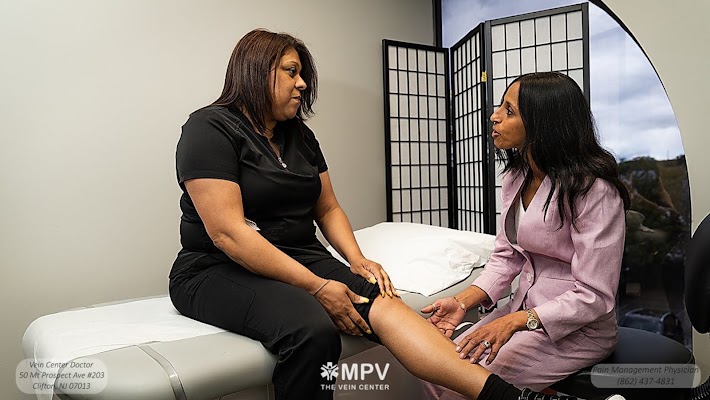
Recurrence can mean two different things. New varicose veins can appear years later as other segments fail. That is disease progression. Technically, a closed vein can also reopen or a new channel can form, called recanalization. Closure durability depends on vein diameter, technique, and patient factors. A competent vein repair center watches with follow-up ultrasounds, usually at one week and again at three months for thermal ablations. If a segment fails, early retreatment is simple.
Lifestyle measures make a difference. Calf muscle strength is a natural pump for venous return. Regular brisk walking, ankle pumps during sedentary work, and maintaining a healthy weight reduce venous pressure. For travelers, stand or walk every hour or two, hydrate, and wear compression on long flights. Pregnancy brings higher recurrence risk, so timing elective treatment between pregnancies or planning supportive care during pregnancy leads to better outcomes.
When advanced disease needs more than ablation
Not every leg benefits from a saphenous closure alone. Advanced venous disease can involve perforator veins, which carry flow between deep and superficial systems. Pathologic perforators can be treated with targeted thermal ablation or ultrasound-guided sclerotherapy in a vein correction clinic, usually reserved for recurrent ulcers or persistent bulging adjacent to these connectors.
Some patients have outflow obstruction higher up, such as iliac vein compression, often called May-Thurner syndrome. Clues include one-sided swelling, a history of deep vein thrombosis, or ulcers that resist healing despite treating reflux. A vascular vein center with deep venous expertise may perform intravascular ultrasound and stenting of narrowed pelvic veins. That is specialized work, done in a vascular health clinic or hospital setting, not every leg vein clinic.
Who should wait or avoid treatment?
Active deep vein thrombosis is a hard stop until it is treated and stable. Severe peripheral arterial disease requires caution, particularly with compression and sclerotherapy. Poor mobility after surgery increases clot risk; the best results come when patients can walk right away. Pregnancy is a time for supportive care rather than elective ablation, although emergency issues like bleeding varicosities or ulcers can be managed carefully. Uncontrolled infections, severe allergy to sclerosants or adhesives, and unusual clotting conditions also call for individualized plans in a vein disorder clinic with experienced oversight.
Cost, coverage, and realistic expectations
For symptomatic reflux with documented ultrasound findings, insurers often cover endovenous ablation and microphlebectomy after a period of conservative therapy, commonly 6 to 12 weeks of compression. Cosmetic spider vein treatment is typically out of pocket. Prices vary by region and clinic. It is reasonable to ask your vein care practice for a written estimate and preauthorization. A transparent vein treatment medical center will also outline what happens if additional sessions are needed.
Set expectations around timelines. Pain relief and heaviness often improve within days of ablation. Swelling may take weeks to settle as lymphatic flow adjusts. Appearance lags function. It is normal to return for touch-up sclerotherapy to clear residual surface veins after the main problem is fixed. That staged approach gives cleaner results than trying to do everything at once.
A brief case that illustrates the modern pathway
A 47-year-old teacher stood most of the day and ran after school. She had heaviness by noon, ankle swelling by evening, and bulging veins along her inner calf. Duplex ultrasound in the vein health clinic showed great saphenous vein reflux from mid-thigh to ankle, with branch varicosities. She chose radiofrequency ablation with same-day microphlebectomy of the largest branches. The visit took 90 minutes. She wore thigh-high compression for a week at work. At two weeks, she reported less leg fatigue than she could remember. At six weeks, a short foam session closed a small residual cluster. Two years later, she still runs, uses compression during parent-teacher conference weeks, and schedules a quick yearly check in the vein wellness center. No hospital, no general anesthesia, no lost season.
How to choose between good options
When two or three techniques fit, I apply a simple framework with patients that covers safety, durability, comfort, and logistics.
- Safety and anatomy: If a vein lies superficial near the knee or ankle bone, I lean to non-thermal closure to protect skin and nerves. If you have a strong adhesive allergy history, I skip cyanoacrylates. Durability and size: Large-caliber saphenous veins tend to respond best to thermal ablation or adhesive rather than foam alone. Small, tortuous segments may favor mechanochemical ablation or foam. Comfort and recovery: If you prefer to avoid multiple needle sticks with tumescent anesthesia, adhesive or mechanochemical options are attractive. If bruising from microphlebectomy worries you, staged foam sessions can sculpt over time. Logistics and cost: Insurance coverage may favor thermal ablation first. If you are paying cash for a cosmetic plan, pair sclerotherapy with compression and be patient with staged sessions.
That conversation, done carefully, turns technology into a personalized plan. A thoughtful vein solutions clinic will show you ultrasound images, draw on your leg to demonstrate targets, and let you weigh trade-offs.
What a strong follow-up program looks like
After treatment, good centers schedule a short ultrasound within a week to confirm closure and check for rare clots extending into deep veins. A three-month visit verifies durable closure and guides any finishing work. Clinics that function as a long-term vein restoration center also examine your skin around the ankle for early changes, track calf circumference as a simple swelling metric, and review your compression habit and activity level. Small touches matter. Teaching ankle pump exercises during the first wrap change helps prevent stiffness. Having a direct line to the vein care doctor office for warmth, redness, or calf pain questions reduces anxiety and catches problems early.
Red flags that suggest you need a different clinic
If every patient is offered the same device regardless of anatomy, move on. If there is no standing ultrasound, or the ultrasound is rushed without reflux measurements, that is not enough. If spider vein treatments are sold as “permanent” fixes without a discussion of underlying reflux, you are paying for temporary cover-ups. If a vein surgery office promises no bruising and no chance of recurrence, be cautious. Honest medicine includes nuance.
Bringing it all together
Modern vein treatment specialists now practice in environments that feel more like a dentist office than an operating room. The science supports that shift. Endovenous thermal ablation, adhesive closure, mechanochemical ablation, ultrasound-guided foam sclerotherapy, and ambulatory microphlebectomy make up a toolkit that can be mixed and matched to your anatomy and goals. A strong vein management center uses ultrasound to diagnose the true source, treats refluxing trunks first, then polishes the surface with injections or tiny removals, and keeps an eye on long-term health.
Your role is straightforward. Choose a vein medical clinic that demonstrates depth: standing ultrasound mapping, multiple techniques available, clear complication protocols, and a follow-up plan. Keep walking, build calf strength, use compression when it helps, and consider a check-in if symptoms return or new clusters appear. With that partnership, the ache that once dictated your days and the veins that dictated your wardrobe can become a footnote, not a headline.